Mobly
Driving a 48% Conversion Uplift through E-commerce Redesign
Company
Mobly
Role
Senior Product Designer (IC)
Industry
High-Volume E-commerce (Furniture)
Key Challenge
Outdated Platform vs. $180M ARR Ambition.
Date
2023 - 2025
The Business Challenge & Context
Despite being one of LATAM's largest Furniture E-commerce players with high revenue, the dated digital experience presented a critical business risk and the platform failed to convey trust and modern relevance for high-value purchases.
The Solo Challenge: From 2023 to 2025, I operated as the only Product Designer at Mobly, managing the entire digital experience for a platform with millions of users. Operating in a high-pressure environment, I was responsible for everything from discovery and data analysis to the final handoff and Design System maintenance.
The Problem: Despite high traffic, conversion was stagnant. Our checkout process was a major bottleneck: a complex, 5-step journey (2 cart pages + 3 checkout stages) that caused massive friction and drop-offs.
The Goal: Streamline the checkout into a 3-step fluid experience, reducing cognitive load and cart abandonment while ensuring technical feasibility for a fast-paced engineering team.
The Strategic Thesis & Design Rationale
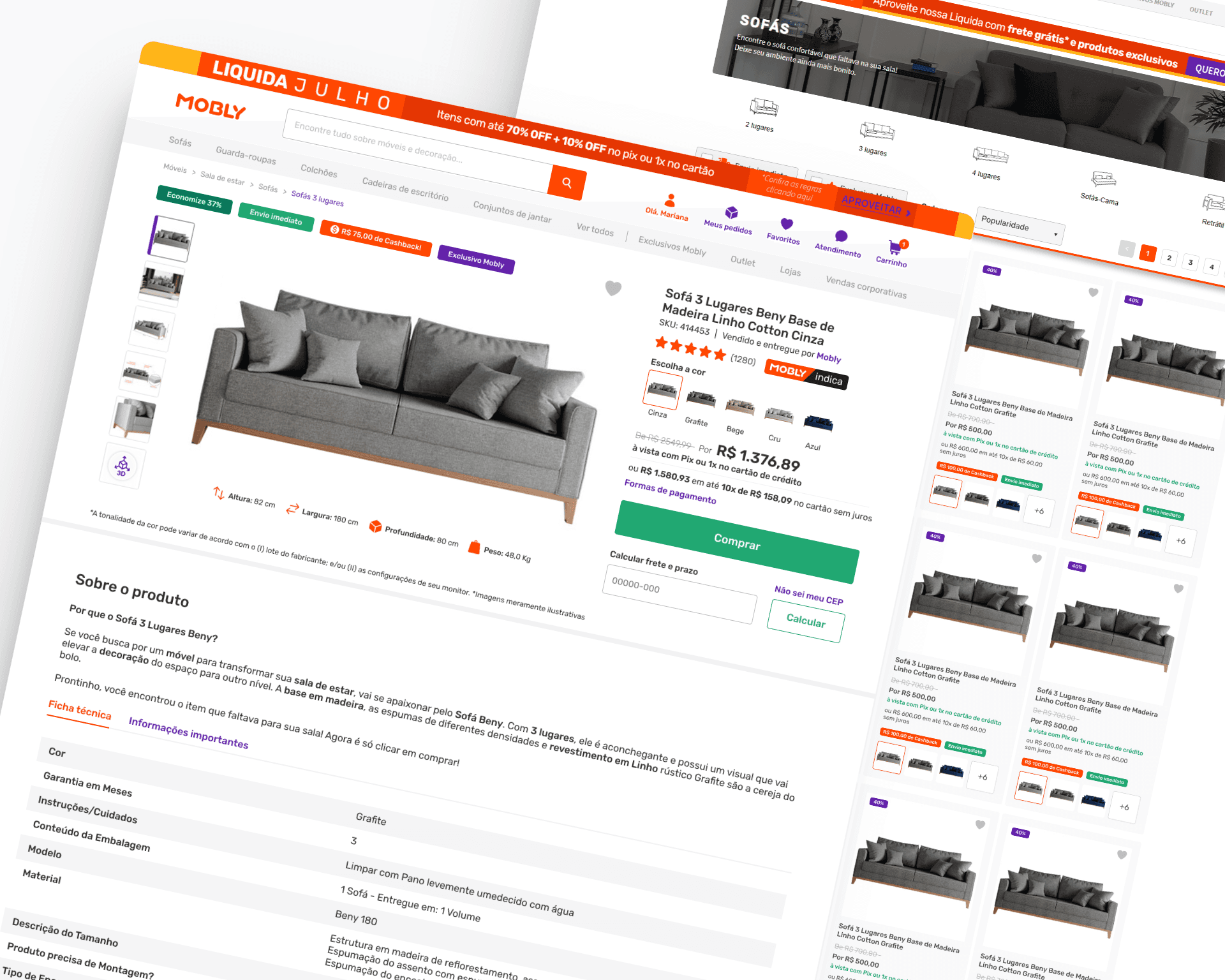
The project involved a complete redesign of a high-volume e-commerce platform. The main challenge was optimizing the user journey, making navigation more intuitive and fluid, while improving the conversion rate, which was below expectations for the scale of the business.
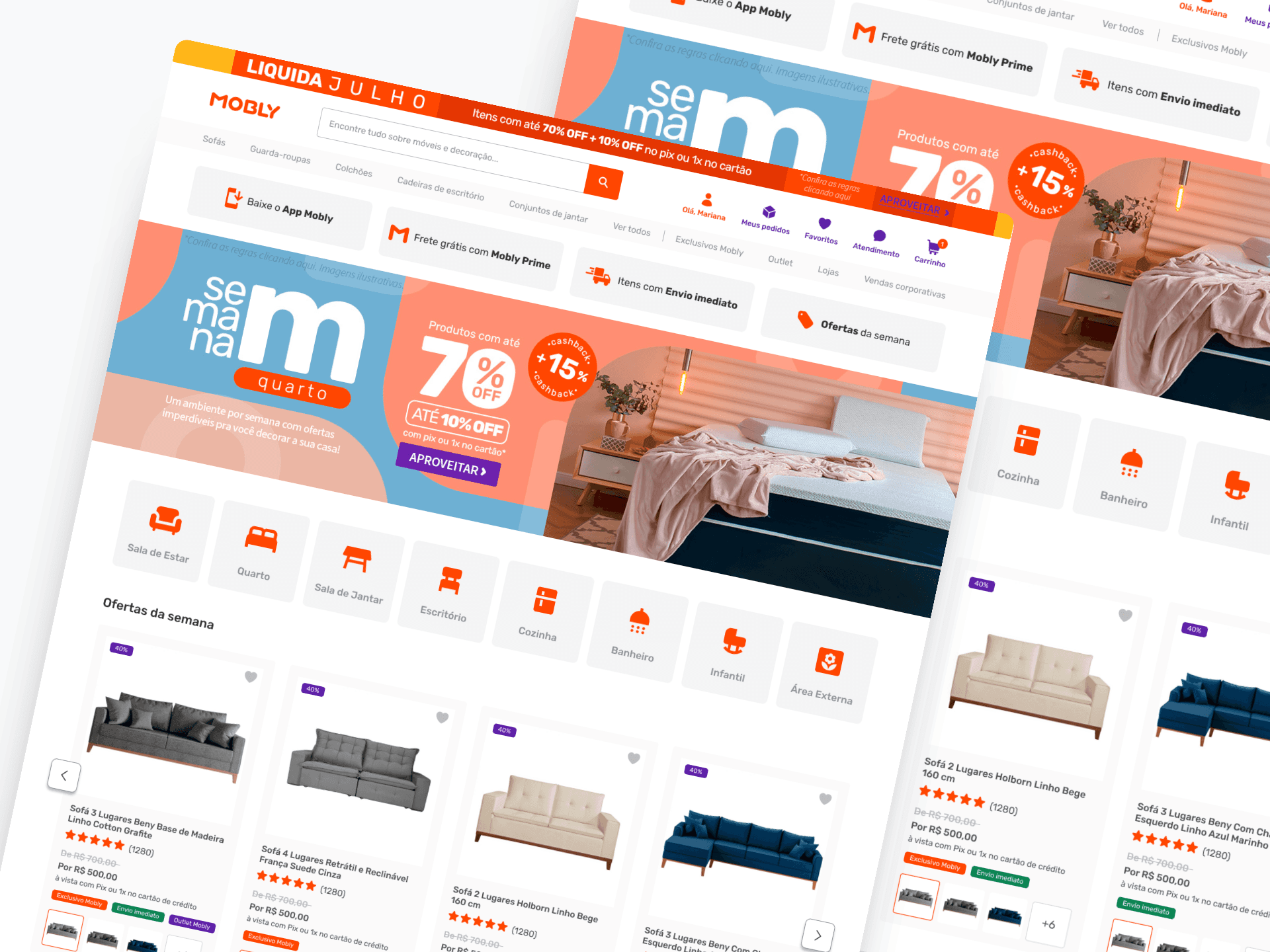
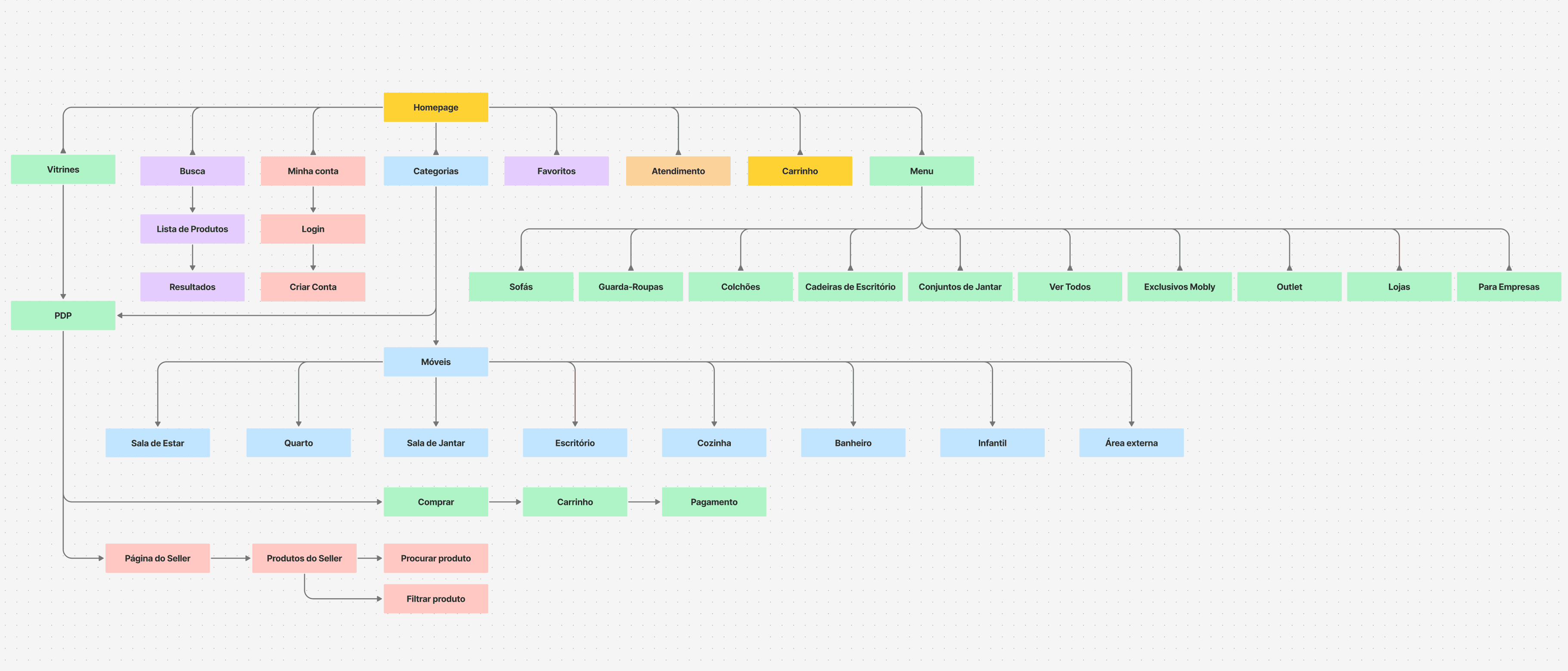
As the sole designer, my core hypothesis was that we needed a radical shift from a feature-driven design to a high-trust, conversion-focused information architecture. The strategic solution wasn't just visual cleanup; it was a full restructuring focused on reducing user anxiety during product evaluation and checkout to unlock the platform's revenue potential. This involved creating new shopping flows optimized for mobile and responsive design.
New Home
Data-Driven Discovery & Prioritization
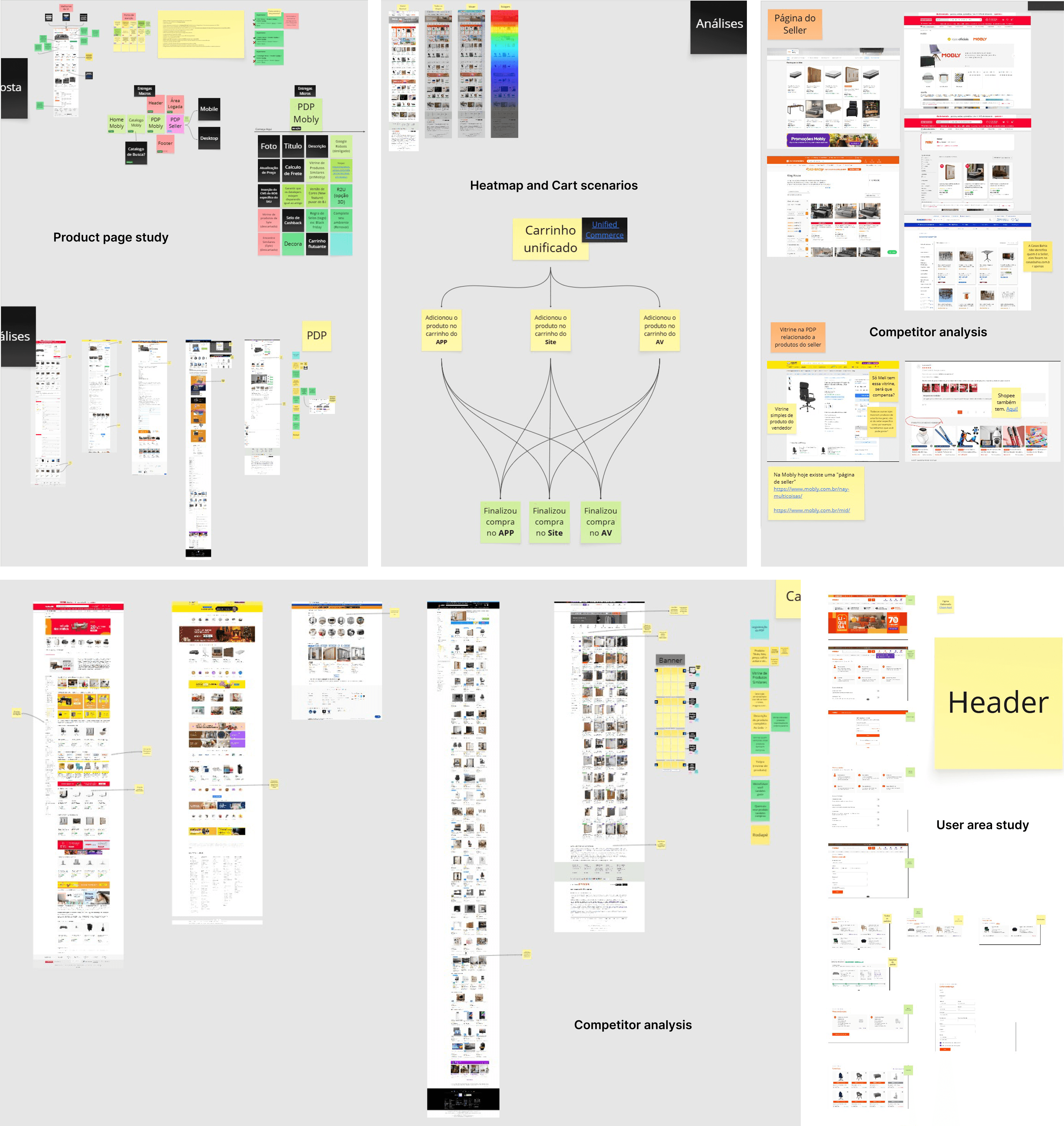
1. Auditing the Friction (Beyond Intuition) I didn't rely on guesswork. I initiated discovery by auditing the entire funnel using Google Analytics and Hotjar (Heatmaps & Session Recordings). This data-driven deep dive, combined with 20+ qualitative user interviews, revealed a critical "looping" behavior: users were bouncing between cart pages, confused by redundant steps and a lack of visual progress indicators.
2. Identifying the "Revenue Leak" The evidence was undeniable: the major drop-off was happening between the Product Page and Checkout. The friction was primarily driven by two factors:
Checkout Complexity: A fragmented 5-step flow with redundant form fields.
Information Gap: Uncertainty regarding shipping and installation options right at the start of the journey—a direct drain on potential revenue.
3. Strategic Alignment & Prioritization Being a solo designer, I had to be precise. I used these insights to align stakeholders and justify a "70/30" focus strategy: dedicating 70% of initial design effort to the Product Page, Catalog, and Checkout flows. By using an Impact vs. Effort Matrix, I ensured our limited resources were focused where the ROI would be highest.
4. Validating High-Impact Solutions To de-risk the project before engineering, all major hypotheses were tested. I ran quick, iterative usability tests with mid-fidelity prototypes to ensure the new consolidated 3-step flow improved user confidence and eliminated the "looping" behavior without losing essential data.
Information Architecture
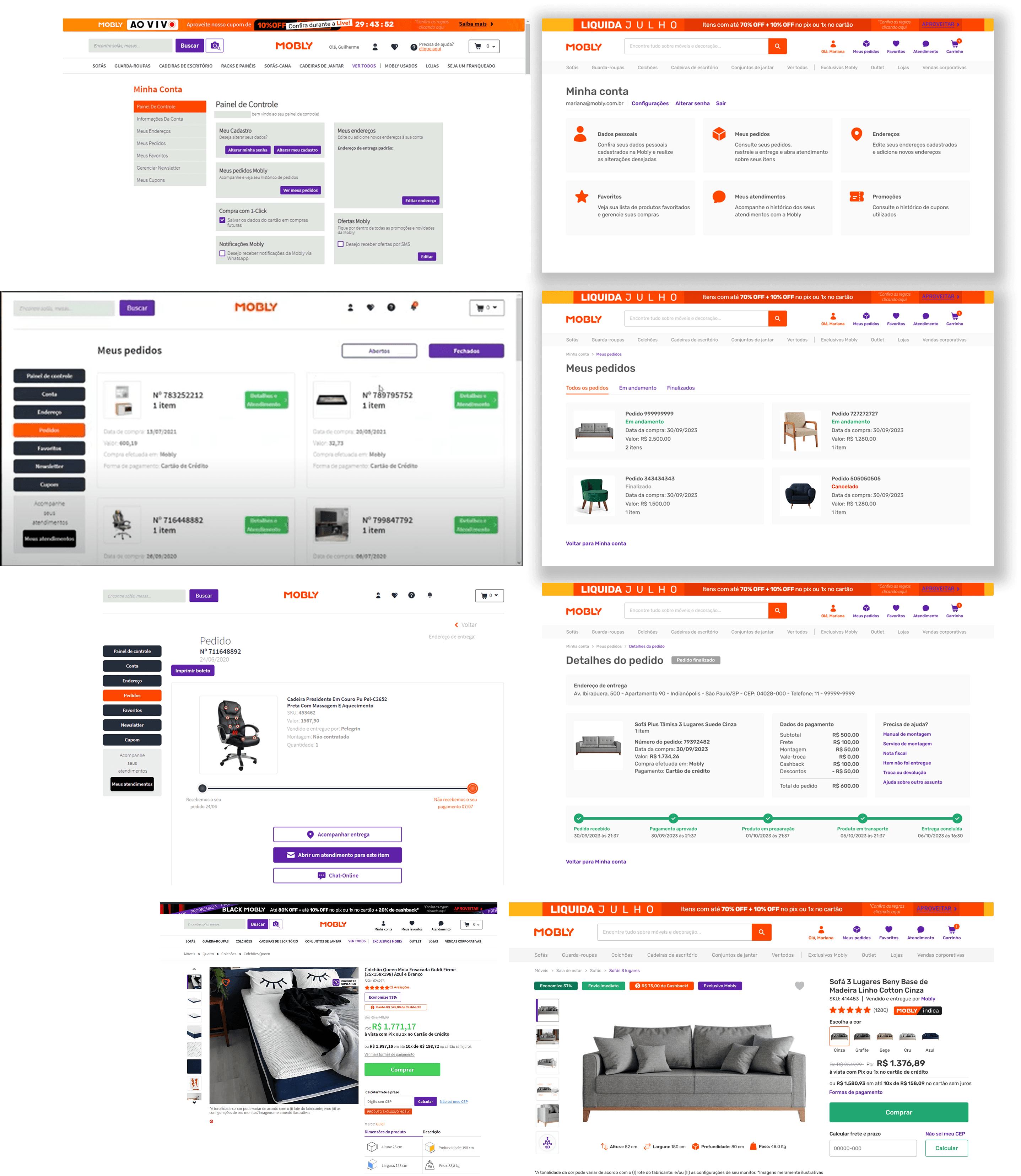
Old Site vs New Site
Mobile App
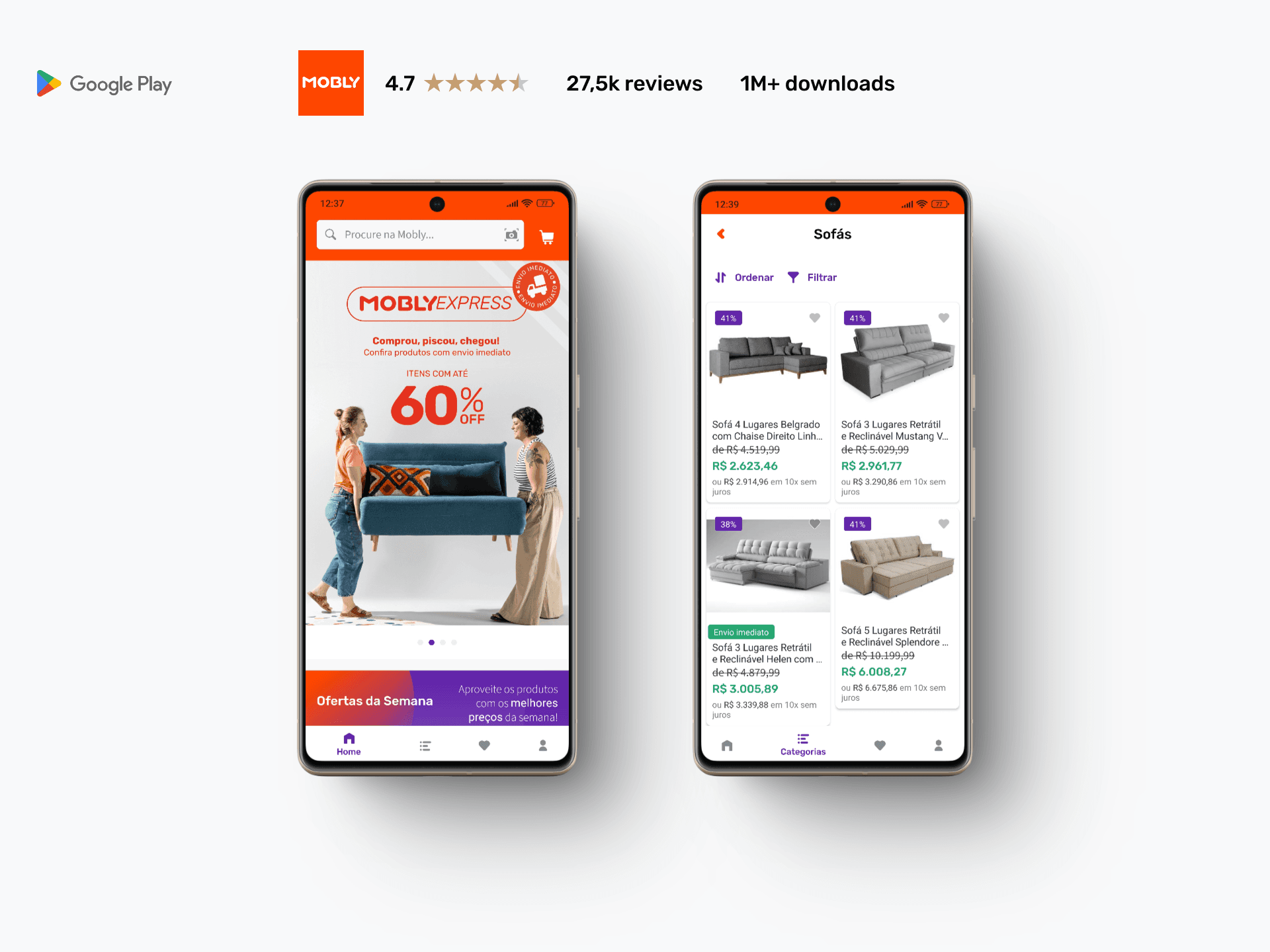
New Product Page and Catalog